Kreative Gardens
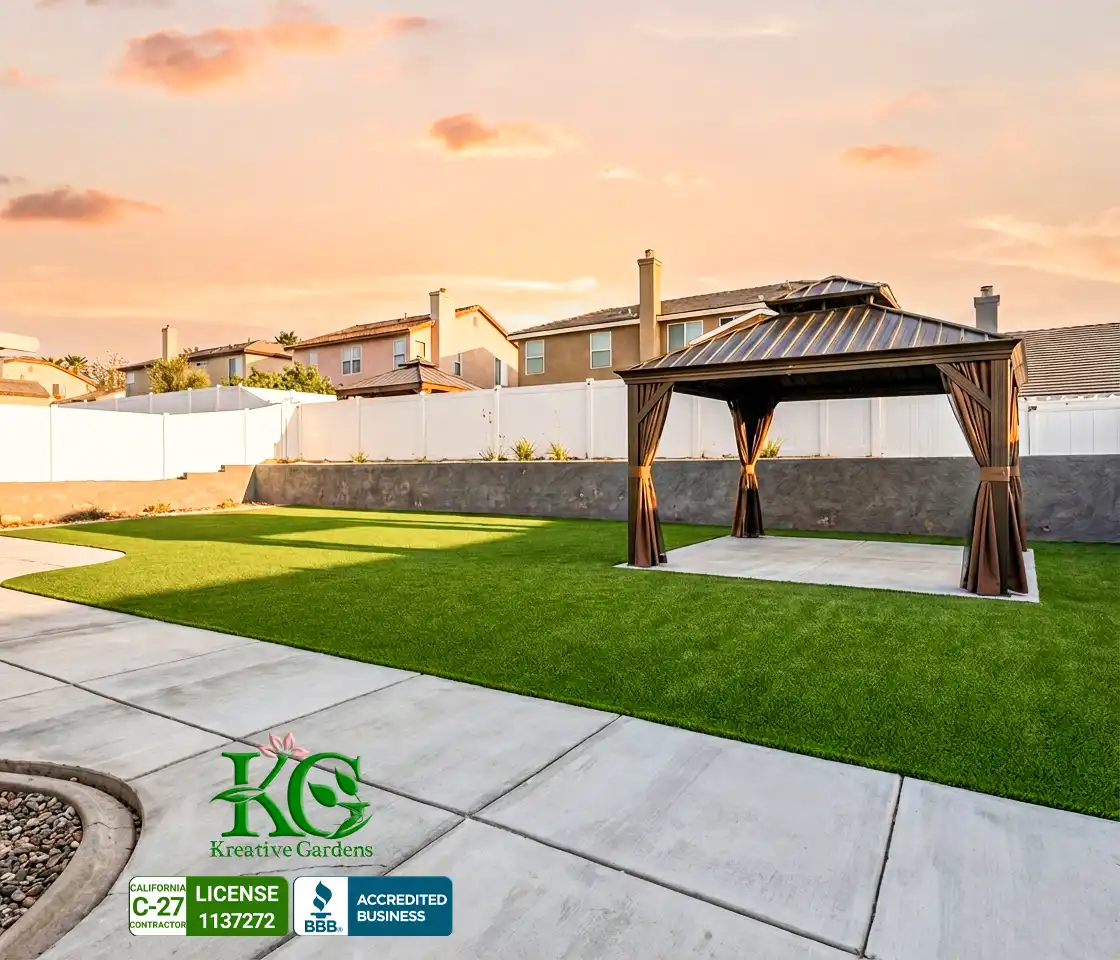
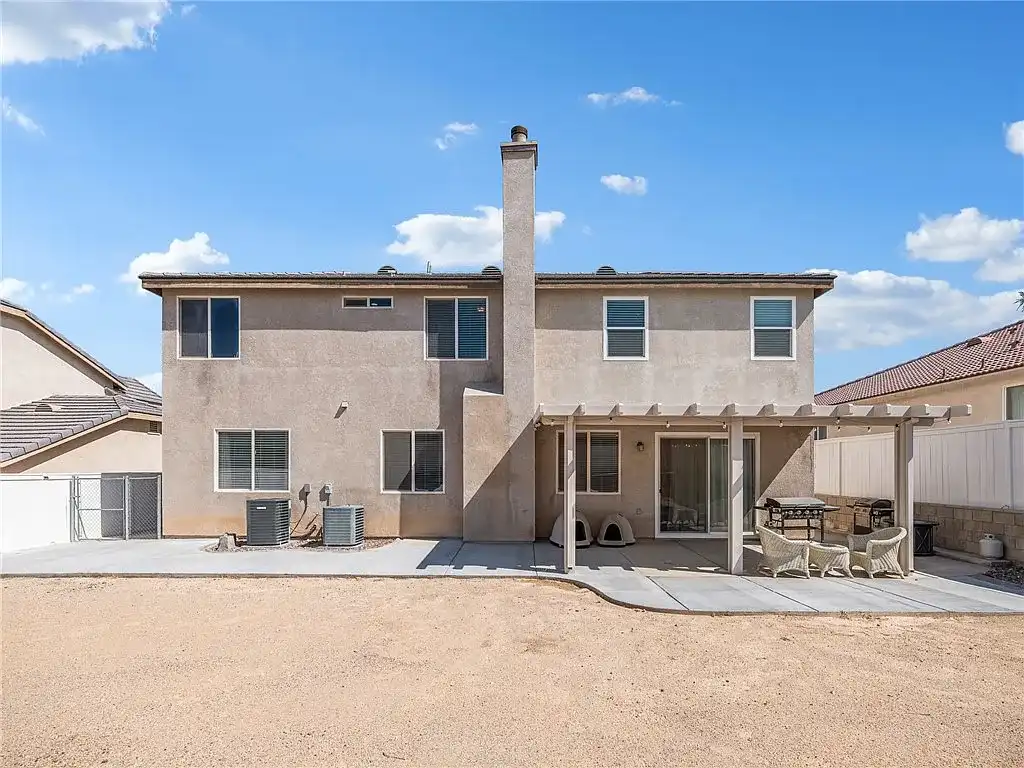
This proposal includes the installation of artificial grass in the backyard area of approximately 1,532 sq ft, along with the construction of a 13′ × 13′ reinforced concrete slab in the northwest corner of the backyard to support a future gazebo.
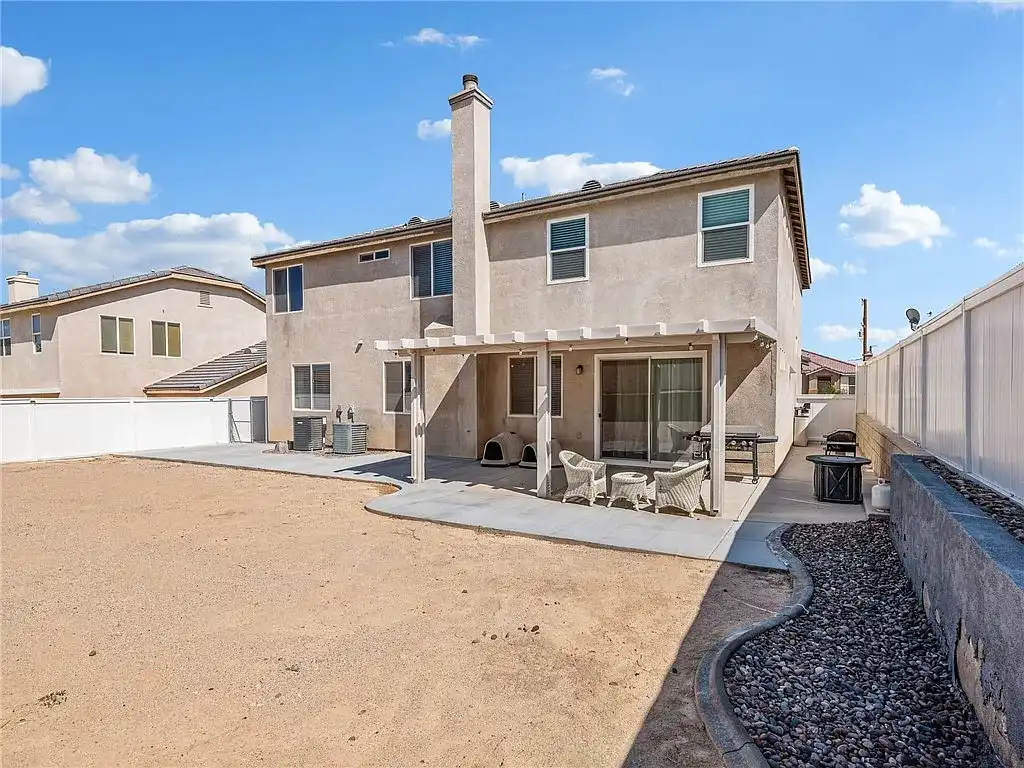
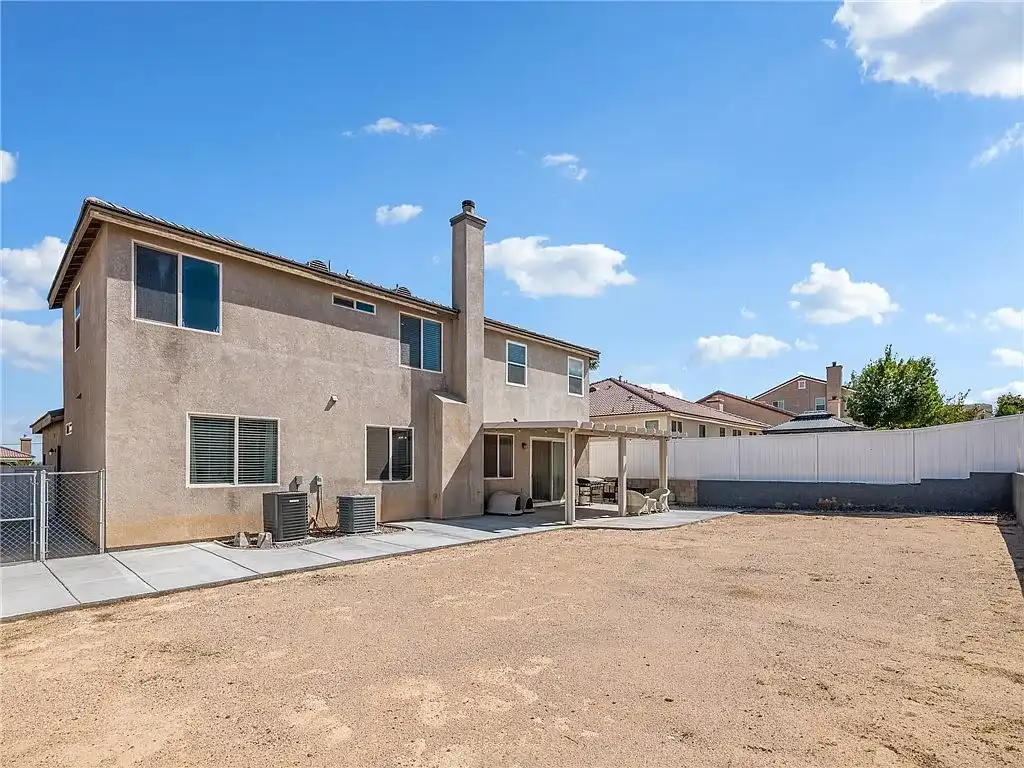
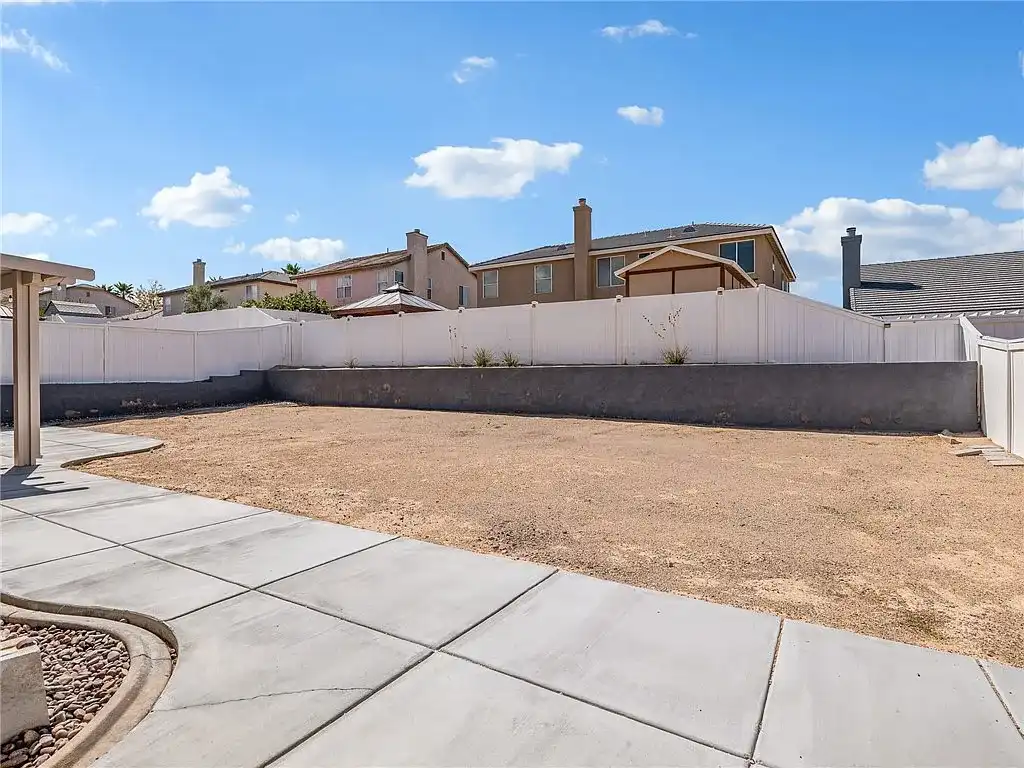
The existing backyard consists of native soil with clay characteristics and an active goat head infestation. Proper site preparation is included to address these conditions and ensure long-term performance of the installation. Work includes removal of existing vegetation, subgrade preparation, compaction, weed mitigation, and drainage conditioning as required.
During inspection, minor water pooling was observed toward the southeast area of the yard during heavy moisture events; existing concrete drains currently manage this condition. The proposed installation will be graded to promote positive drainage away from the home and improve overall surface performance.
This quote includes professional installation of [Maya Artificial Grass]
(or swap to: Verdant Field 105 Artificial Grass for the second quote)
The installation includes:
Optional Upgrade:
A non-toxic Camo-Fill infill upgrade is available for enhanced comfort, reduced heat retention, and pet-friendly performance (+ $330).
Maya (1.57″ pile height, 80 oz total weight) offers a cleaner, lower-profile appearance with easier maintenance and slightly cooler surface characteristics. Compared to thicker turf options, it provides a more modern look with less cushioning underfoot.
Verdant Field 105 (2″ pile height, 105 oz ±10%) offers a denser, more cushioned feel with increased durability and visual fullness. Compared to lower-profile turf, it provides a more premium appearance and greater comfort, with slightly higher maintenance requirements.
Both turf options utilize monofilament yarn and carry a 16-year manufacturer warranty.
This proposal includes construction of a 13′ × 13′ reinforced concrete slab located in the northwest corner of the backyard. Scope includes excavation, compacted aggregate base, reinforced concrete pour (minimum 4″ thickness), finished surface, and proper slope for drainage.
Gazebo supply, installation, anchoring, electrical, and permitting (if required) are not included.
Concentrated sunlight reflection from rear windows was identified as a potential risk to artificial grass and surrounding surfaces. The homeowner has elected to address this condition through the installation of a window reflection mitigation film. Artificial grass installation is performed with this condition disclosed and acknowledged.
This proposal is designed to provide a durable, low-maintenance backyard surface suitable for High Desert conditions, with proper attention to soil composition, drainage behavior, and long-term performance. All work will be completed using industry best practices and professional installation standards.
This all-inclusive price covers everything required for a professional and lasting installation — from premium materials and delivery to expert labor, site preparation, and final cleanup. We handle the entire process so you don’t have to coordinate with multiple contractors or worry about hidden fees. What you see is what you pay.
Clients who choose to pay in full at the time of approval enjoy a reduced total. This offer reflects the savings we pass along by avoiding third-party financing and administrative fees — while still delivering the same high-quality results.
** This quote is valid for 15 days from the date issued. After this period, pricing and availability may be subject to change without notice.
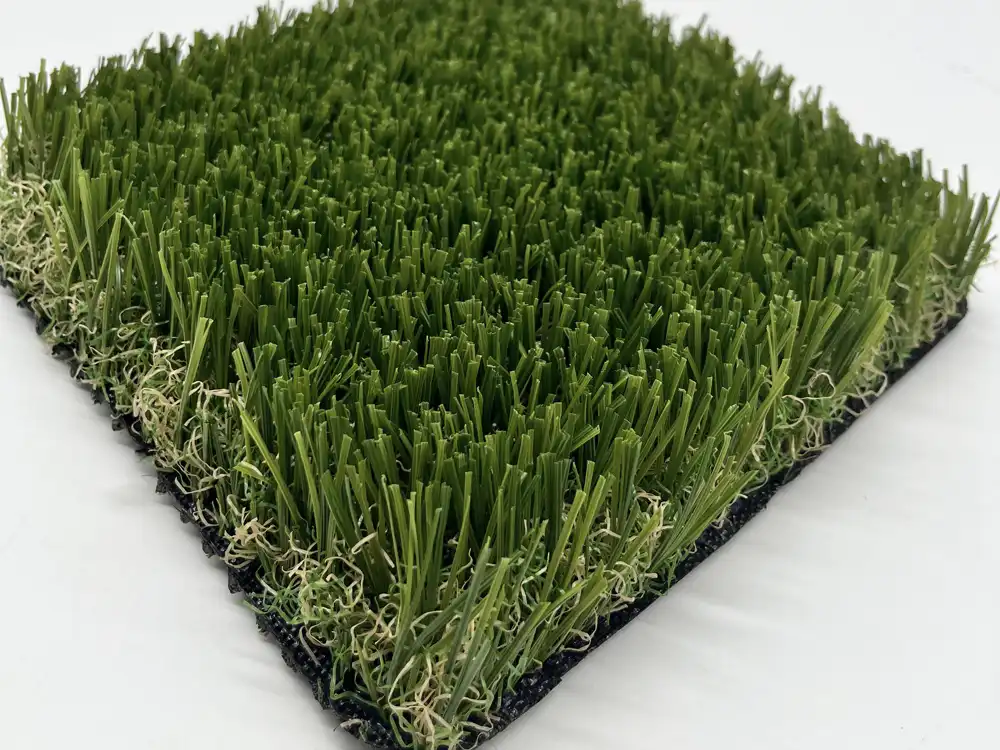
Maya 80 artificial grass delivers the same plush, high-performance turf experience as its Revival counterpart, but with a polyurethane finish for added durability. Featuring W-shaped monofilament blades, a 1.57" pile height, and a 53oz face weight, it offers a soft yet resilient surface ideal for landscaping. The 4-tone green and beige blend mimics the look of natural grass, while the double polypropylene backing ensures lasting structure and strength. With a ≥35N tuft bind, high stitch rate, and 60L/m²/min drainage capacity, this model stands up to the elements while staying lush and dry. Maya 80 is a smart, low-maintenance choice backed by a 16-year warranty.
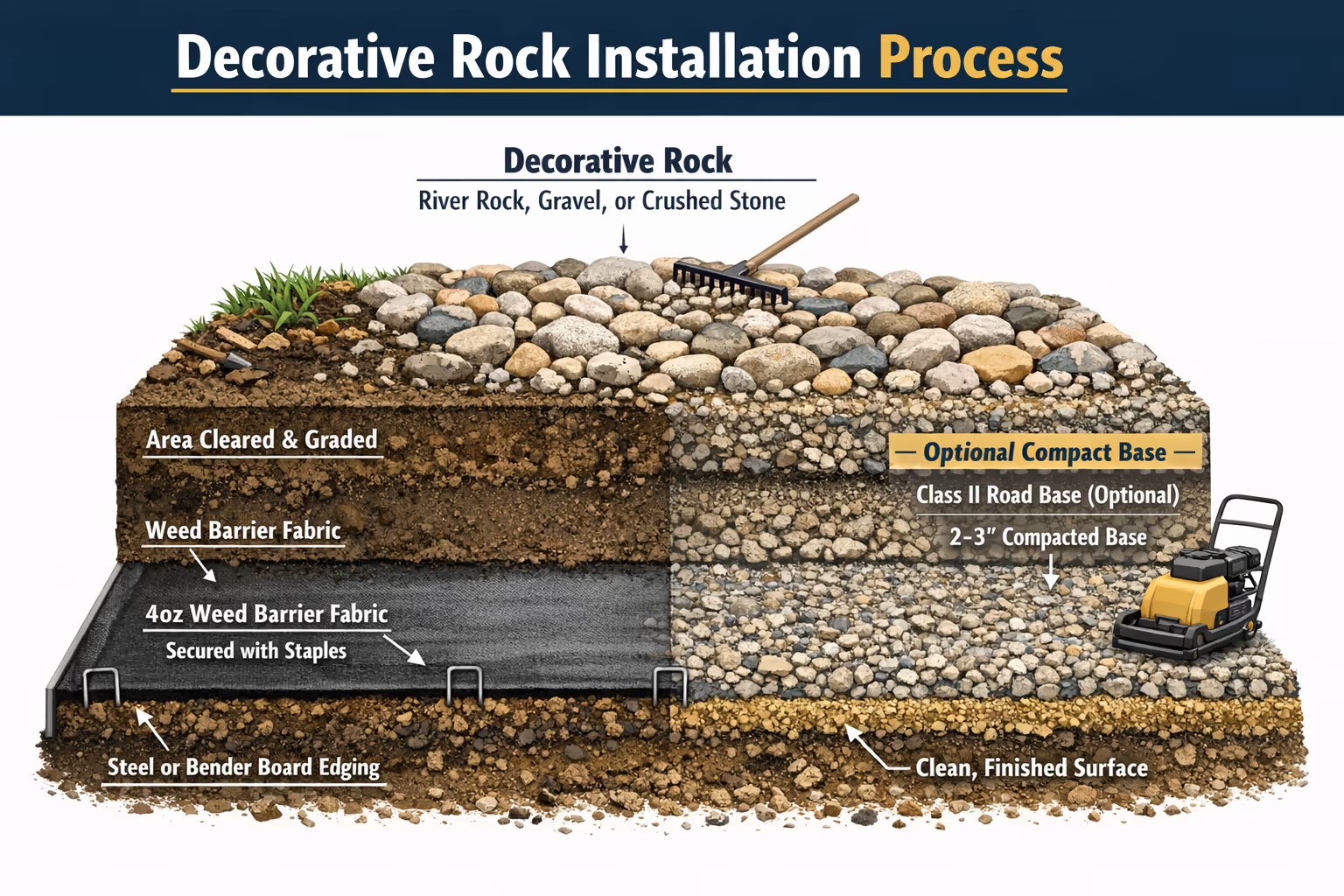
The following items are not included in this proposal unless specifically listed as line items:
Any work not expressly described in the Scope of Work or listed as a Quote Item is excluded from this proposal.
The backyard consists primarily of native High Desert soil with clay characteristics, exhibiting hard-packed, fine-grain composition and reduced natural percolation. Damp soil conditions were observed during inspection, indicating that water tends to pond initially before dispersing, primarily toward the southeast area of the yard. No visible signs of tree roots, excavation, or other structural disturbances were observed in this area; drainage behavior appears related to soil composition rather than obstructions.
The backyard is east-facing, receiving morning sun with reduced late-afternoon exposure. This orientation benefits artificial grass installations by lowering UV stress on fibers and reducing thermal expansion over time.
The yard geometry is largely rectangular and defined by concrete flatwork along multiple edges, with a retaining wall at the rear property line. These features provide clean termination points and a predictable grading plane for installation.
Review of historic aerial imagery indicates the presence of a rectangular swimming pool between 2019 and 2021, which is no longer visible as of 2022. Based on shape, coloration, lack of surrounding decking, and complete removal without visible subsidence or outline scars, the pool appears to have been above-ground rather than in-ground.
While above-ground pools do not typically involve deep excavation or plumbing, they often rest on compacted subgrade and sand base material, which can affect soil consistency and drainage if not properly addressed.
Due to the historic presence of a pool, additional preparation is included in the installation to address potential uneven compaction, residual sand, and differential permeability within that footprint.
This includes:
These steps are performed proactively to reduce the risk of future settlement, drainage inconsistency, or weed breakthrough.
The site currently exhibits a significant goat head infestation, particularly common in disturbed or previously compacted soil areas. Goat heads are aggressive and persistent if not properly mitigated.
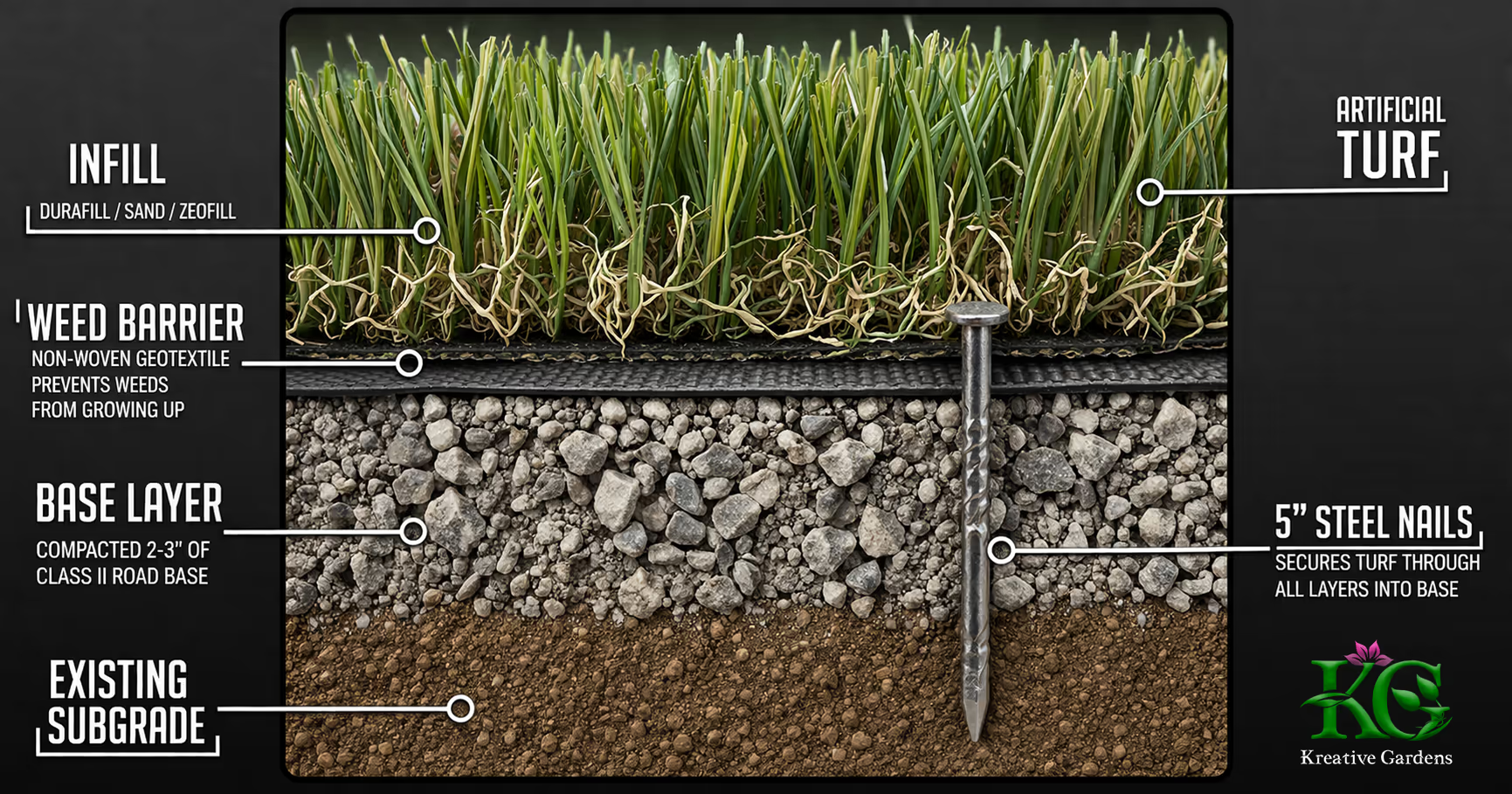
Installation includes:
These measures are intended to minimize future weed intrusion beneath the turf surface.
Due to the presence of existing concrete flatwork along the rear and perimeter walls, traditional mechanical fastening (nails) cannot be used in those areas. As a result, specialized turf adhesive systems will be used where required to properly secure the artificial grass.
This method provides a clean finish, proper edge restraint, and long-term stability when mechanical fastening is not feasible.
The existing artificial grass in the front yard appears to have been installed between late 2021 and early 2022, based on aerial imagery. This places the current front yard turf at approximately 3–4 years of age, rather than a decade old. Any visible wear or matting is therefore more indicative of material selection or installation method rather than age-related degradation.
Standard Silica Sand (Base Option)
Silica sand provides reliable ballast, consistent blade support, and meets manufacturer installation requirements. It is durable, cost-effective, and performs well in most residential applications. Compared to engineered infill options, silica may retain more surface heat and generate more dust over time.
Camo-Fill (Optional Upgrade)
Camo-Fill is a non-toxic, pet-safe engineered infill designed to reduce surface heat, limit dust, and inhibit microbial growth. Compared to silica sand, it offers improved comfort and temperature moderation, with a higher material cost due to its specialized composition.
Artificial grass sheds water rather than absorbing it. Given the soil composition and observed pooling behavior, the installation includes drainage optimization through grading, base selection, and compaction methods to promote proper water movement away from the structure. This approach avoids unnecessary over-engineering while addressing site-specific conditions.
All installation methods and materials are selected to address existing soil composition, historic site use, weed pressure, and drainage behavior. These measures are included to ensure long-term performance, surface stability, and durability of the artificial grass system under High Desert conditions.
Maya is a lower-profile artificial grass designed for a clean, modern appearance and efficient long-term performance. Its shorter pile height and balanced density make it easier to maintain, quicker to groom, and slightly cooler under direct sun exposure compared to taller turf systems. This option works especially well for homeowners who prefer a tidy, uniform look with minimal fluff and reduced matting over time.
Compared to thicker turf options, Maya provides less cushioning underfoot and a more streamlined visual profile. While it offers excellent durability for normal residential use, it does not have the same plush feel or visual depth as higher-density turf models.
Verdant Field 105 is a premium, high-density artificial grass designed for comfort, durability, and a lush, natural appearance. Its taller pile height and heavier face weight provide a softer feel underfoot, improved resilience to foot traffic, and enhanced visual fullness across larger yard areas. The strong tuft bind contributes to long-term fiber stability and performance.
Compared to lower-profile turf options, Verdant Field 105 may retain slightly more heat and typically requires a bit more infill management to maintain optimal fiber lift. This option is ideal for homeowners seeking maximum comfort, durability, and a higher-end backyard aesthetic.
Please take a moment to review the details below. These notes cover important aspects of your project, such as warranties, material handling, and general terms. We believe in transparency and want you to feel confident every step of the way.
Mechanic's Lien Warning
Under California law, any contractor, subcontractor, laborer, supplier, or other person who helps improve your property but is not paid may record what is called a mechanic's lien on your property. A mechanic’s lien is a claim made against your property and may affect your ability to sell or refinance. This could happen even if you have paid your contractor in full.To protect yourself, you should request a Lien Release from all contractors and subcontractors after work is completed.
Change Orders
Any additions or modifications to the scope of work must be documented in a written change order, signed by both parties before additional work is performed. Change orders may result in additional charges and could impact the project timeline.
Right to Cancel
You may cancel this agreement within three (3) business days of signing without penalty, as required by California state law. After this period, cancellations may be subject to forfeiture of any paid deposit, restocking fees, and/or costs incurred by the contractor up to the date of cancellation.
Payments
A deposit is due upon approval of the quote. Balance is due upon project completion unless otherwise agreed in writing. Accepted payment methods include cash, check, Zelle, or debit/credit (fees may apply). Failure to remit final payment may result in collections or lien proceedings.
Project Delays or Access Restrictions
The client is responsible for ensuring access to the work area. Unforeseen delays due to weather, access, hidden utilities, or client-caused schedule changes may result in rescheduling and additional costs.
This quote is valid for 15 calendar days. After that, pricing may need to be adjusted to reflect current material or labor costs. We recommend confirming your project promptly to lock in this rate.
Governing Law
This agreement shall be governed by and interpreted in accordance with the laws of the State of California. Any disputes shall be resolved in San Bernardino County, California.