Kreative Gardens
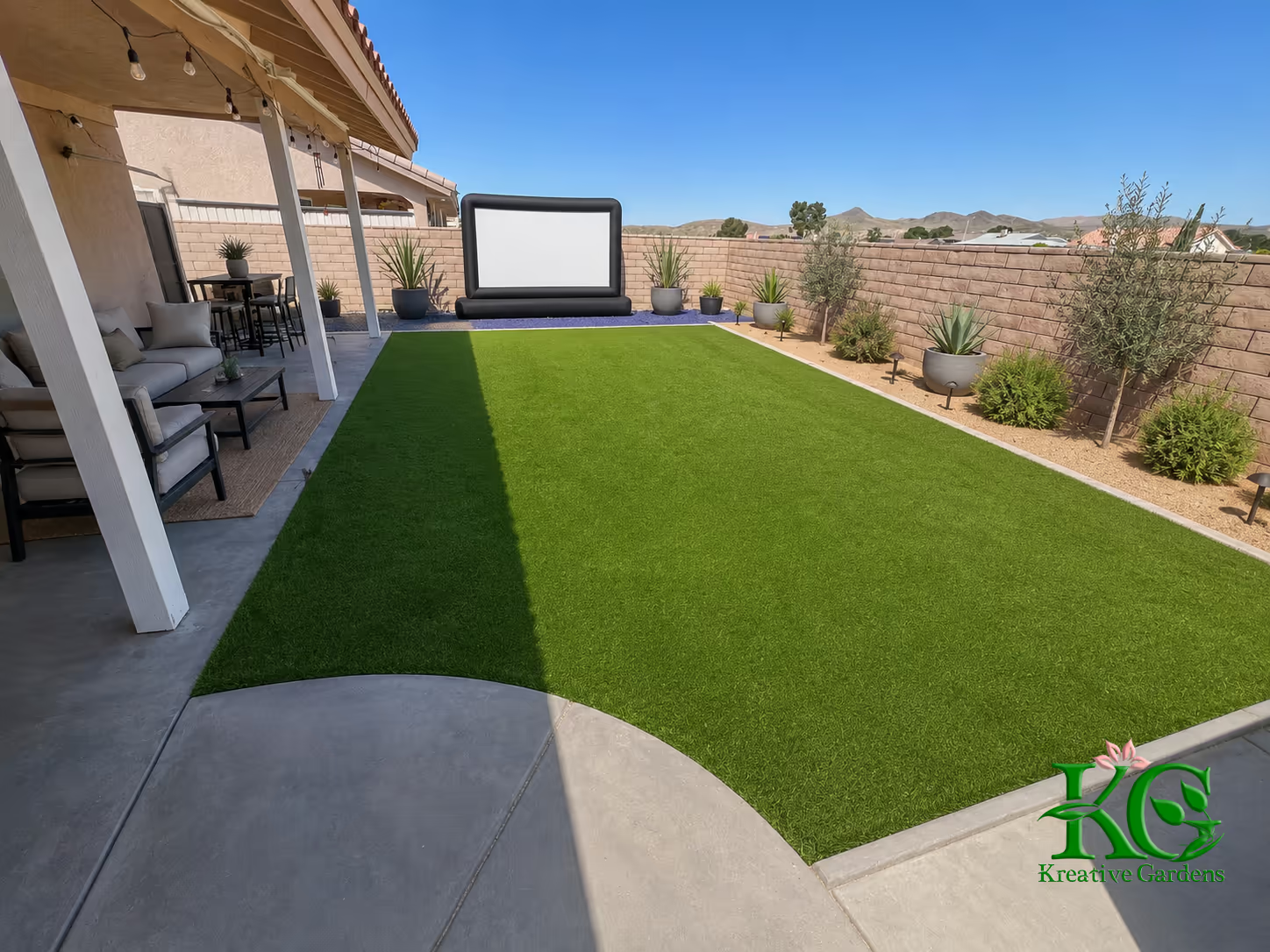
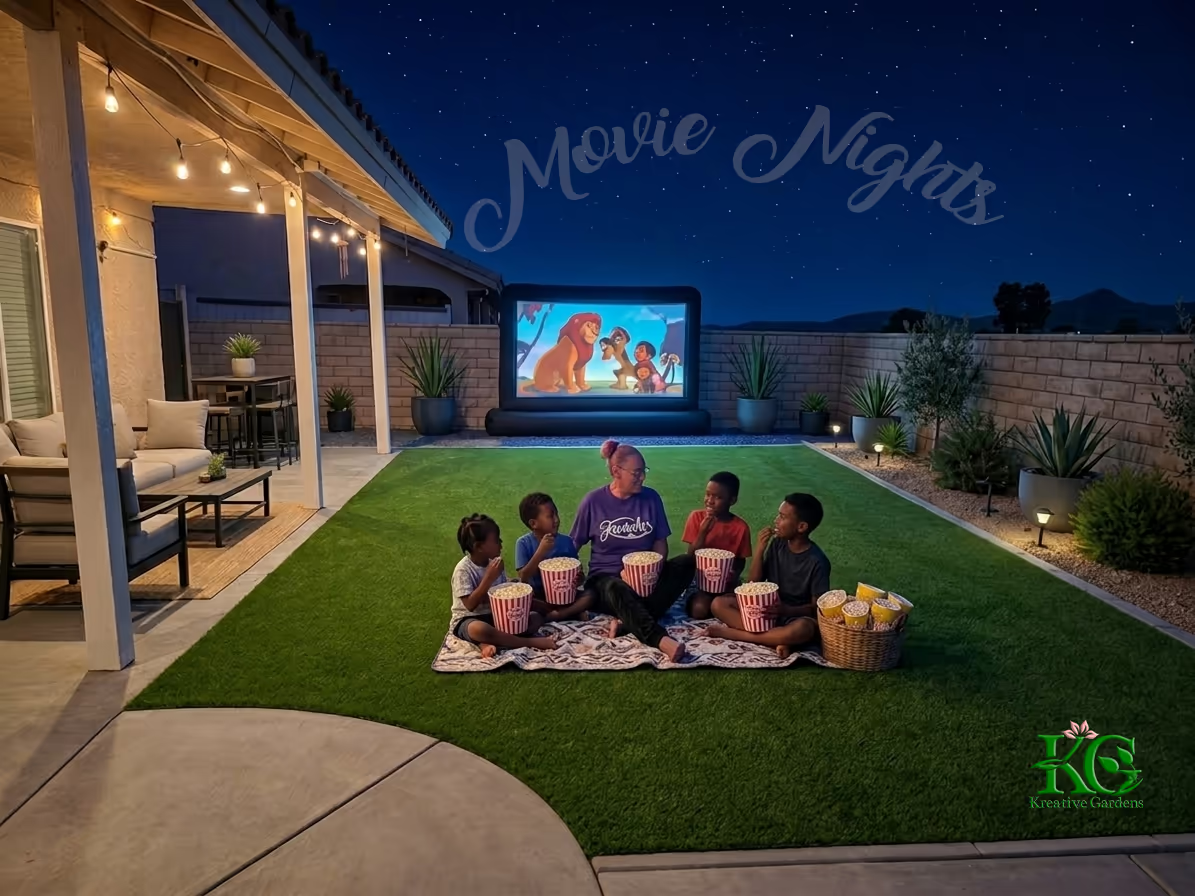
This proposal is for the first phase of transforming Mali's backyard into a more comfortable, beautiful, and usable outdoor space for her and her grandsons. During the consultation, Mali shared that she would love to use the backyard for family time, including movie nights with her grandsons. To help her visualize the full potential of the space, we prepared a concept render showing how the yard could eventually include artificial grass, a decorative planter area, and a future outdoor movie-night setup.
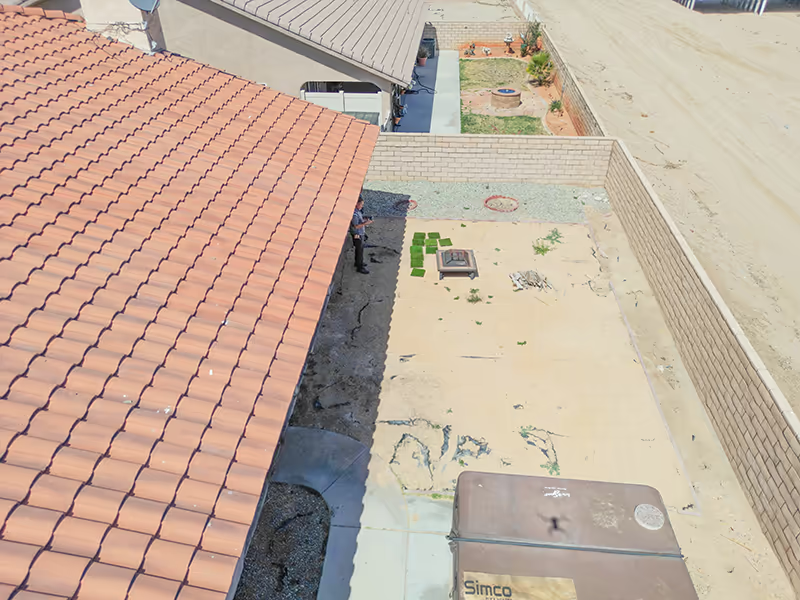
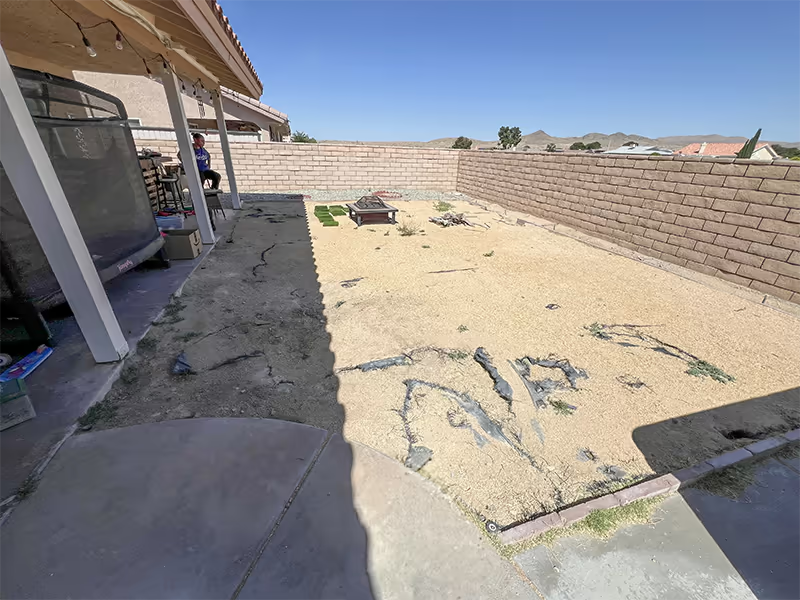
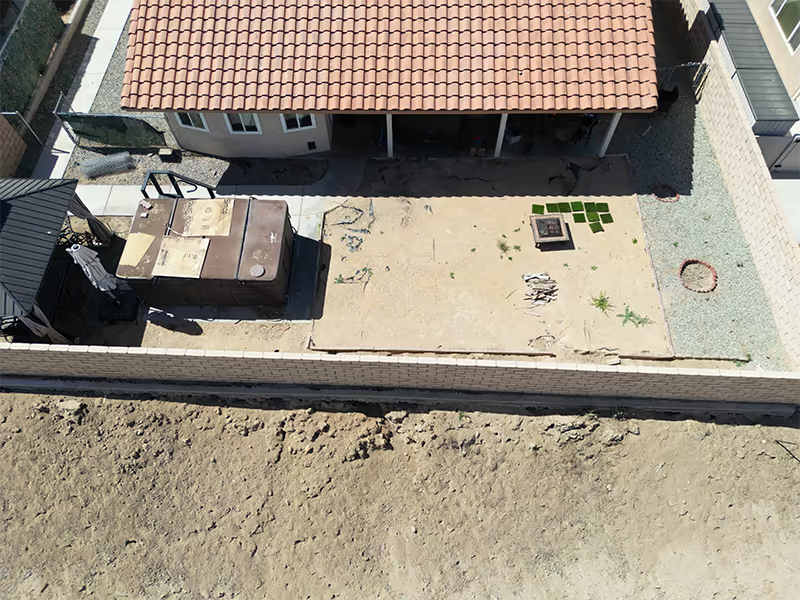
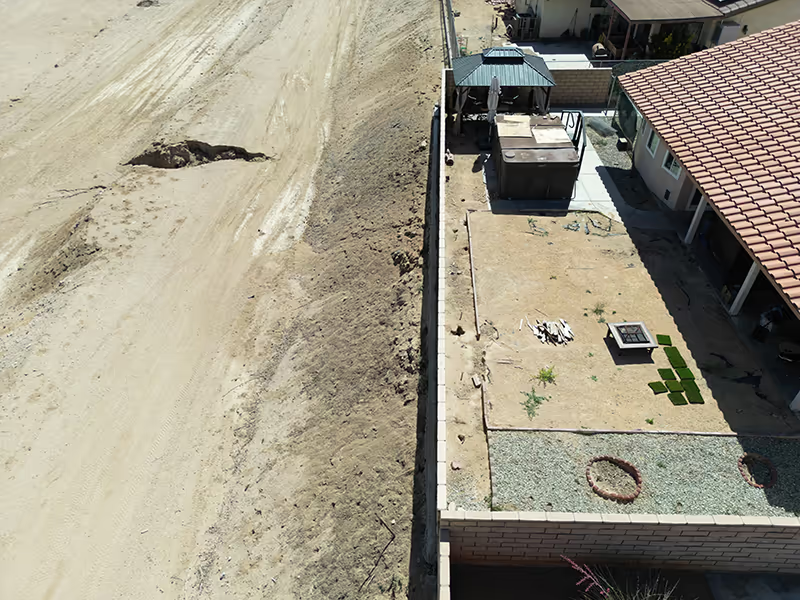
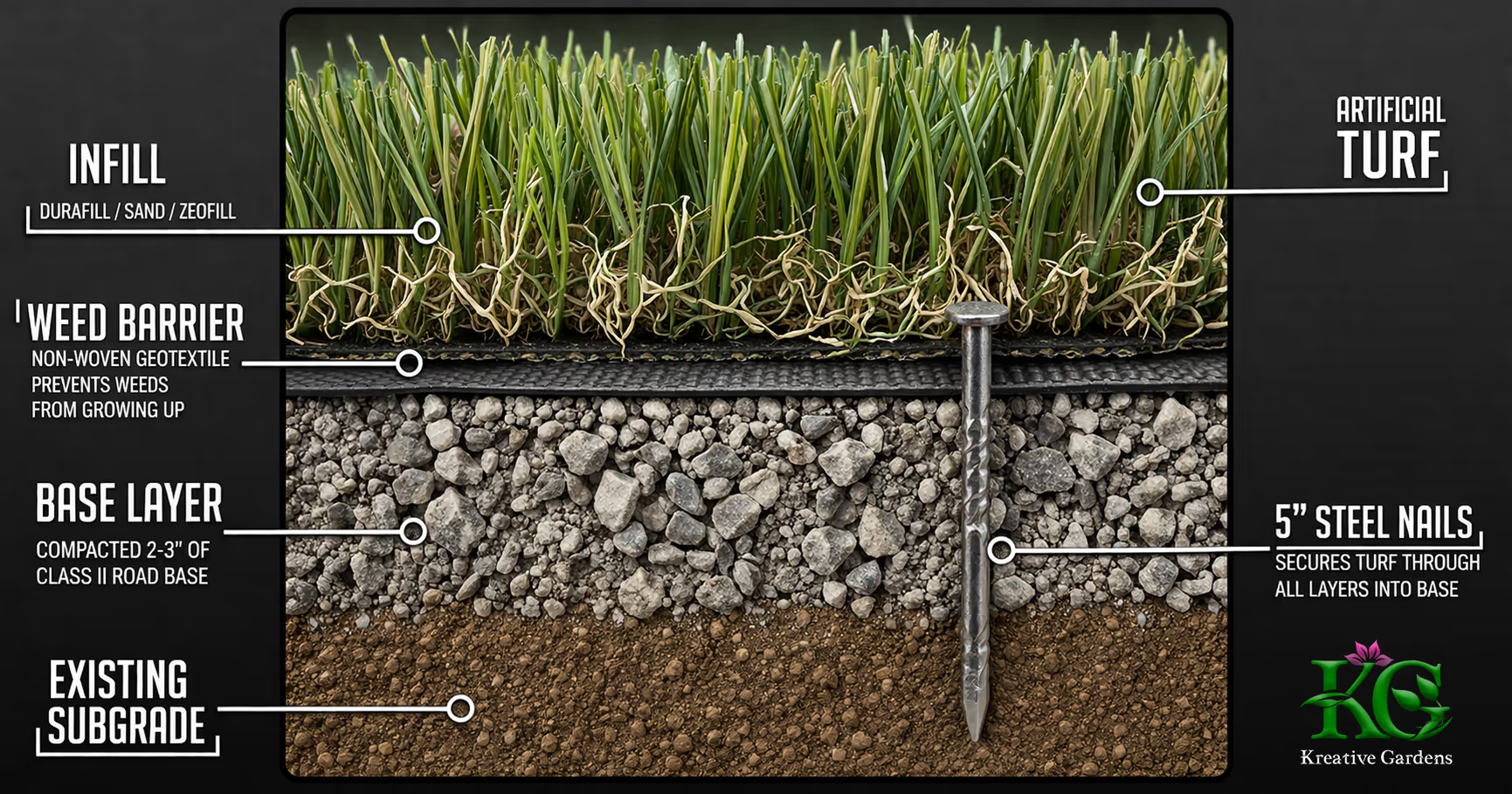
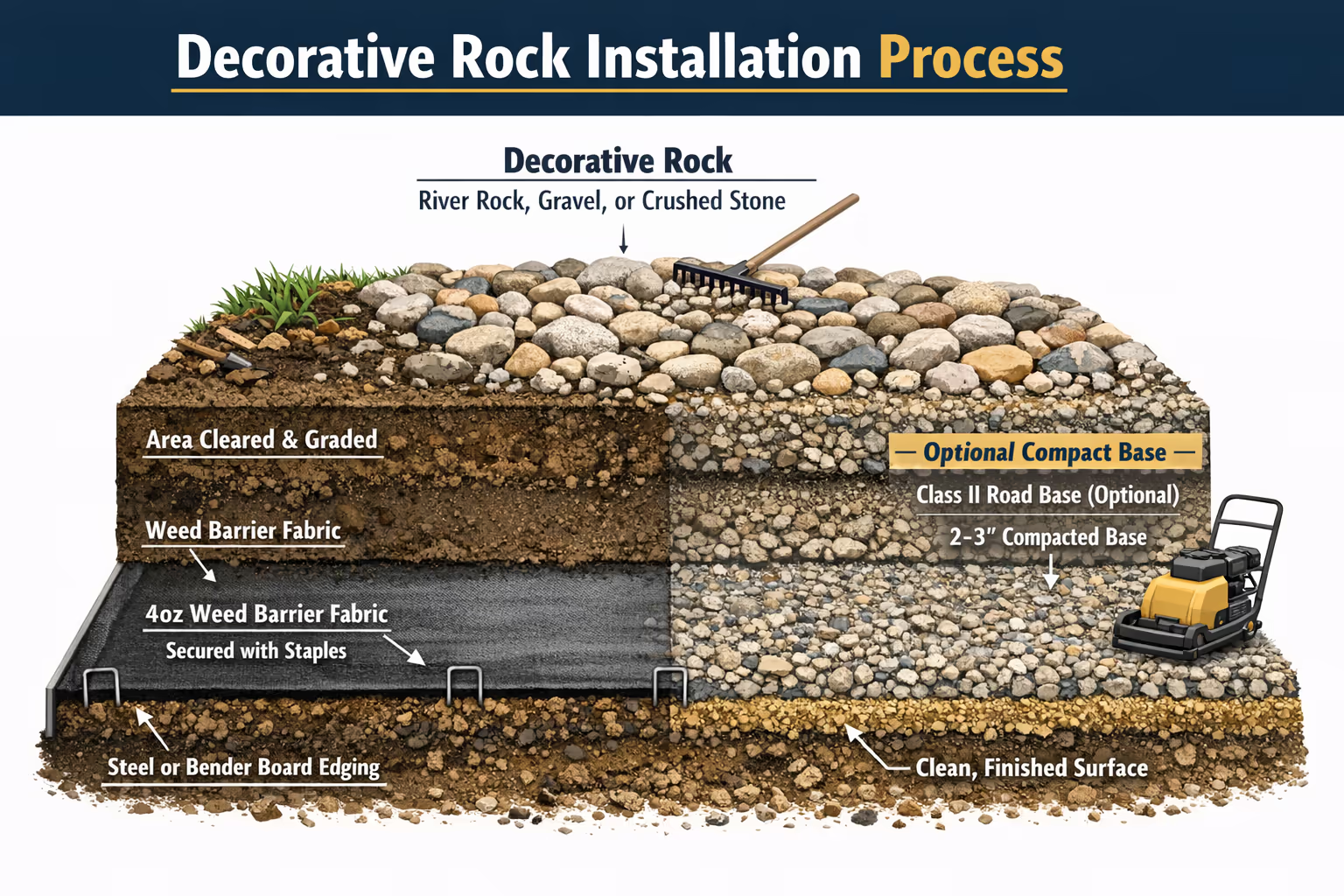
The current scope of work, however, is limited to the artificial grass installation only. The proposed turf area is approximately 535 square feet and will create a soft, clean, low-maintenance lawn area where the family can sit, play, relax, and enjoy the backyard more comfortably. The existing area currently has a thin layer of decomposed granite, visible weeds, old woven fabric underneath, and several holes caused by squirrel activity. As part of the installation, we will remove and prepare the existing surface as needed, address visible holes, grade and compact the area, install the proper base, install artificial grass, secure the perimeter, apply infill, and power brush the turf for a finished appearance.
Because Malli mentioned ongoing squirrel issues and the backyard backs up to a wash, we recommend installing 19-gauge, 1/2" x 1/2" gopher wire beneath the turf system. This added layer is important to help reduce the risk of future tunneling, burrowing, and damage beneath the artificial grass. While no landscape installation can fully stop wildlife activity outside the yard, the gopher wire provides an important protective barrier under the turf or base and is strongly recommended for this property.
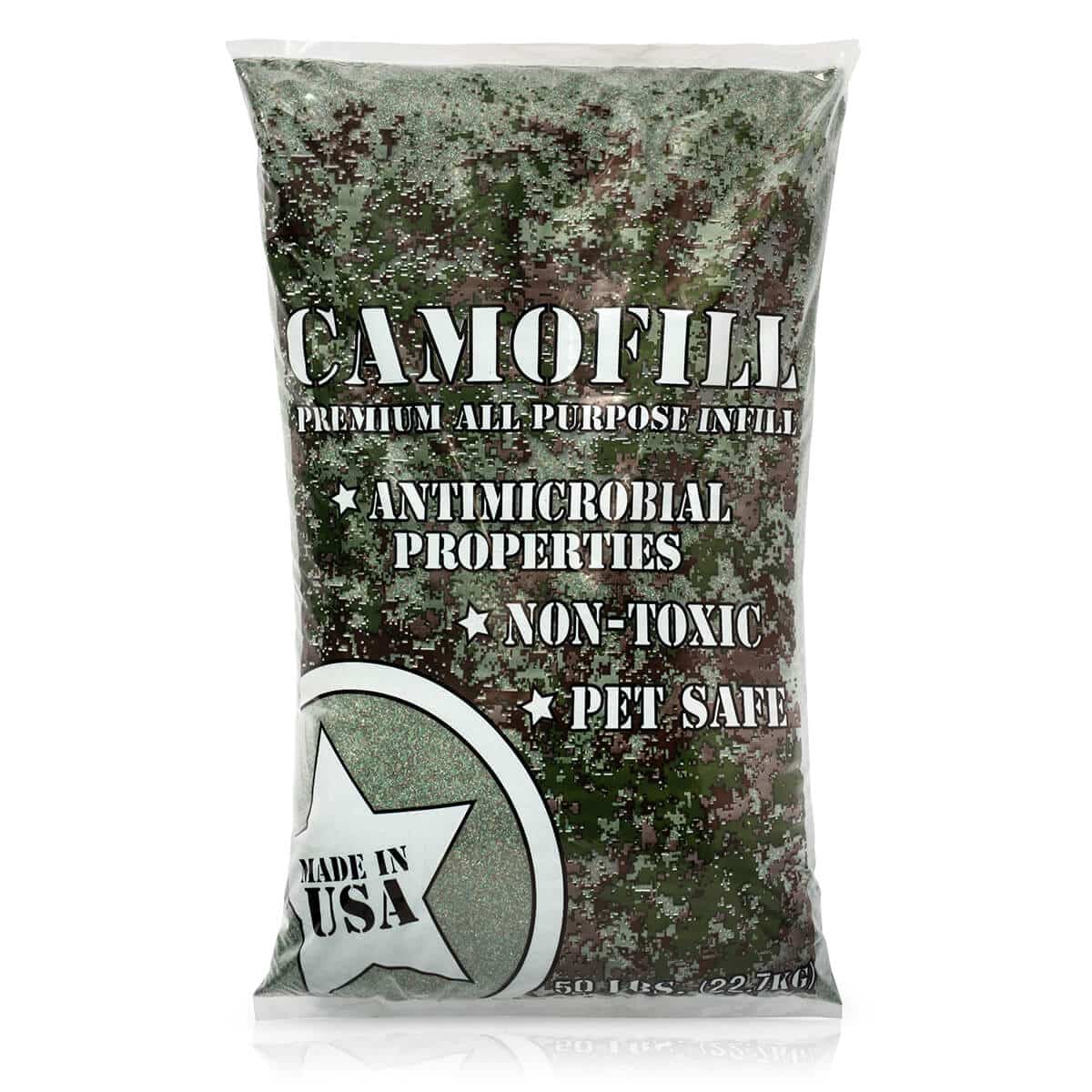
Since this area will be used by Mali and her grandsons, we are also recommending Camofill instead of silica sand as the turf infill. Camofill is a better fit for a family-use area because it helps create a cleaner, more comfortable, and more premium turf experience compared to standard silica sand. This is especially important in a backyard where children may sit, play, or spend time directly on the grass.
The concept render also shows a future decorative strip along the side and back area. For the narrow 31-inch strip near the wall, we do not recommend planting trees directly in the ground. That area is too narrow for most trees, and planting directly next to the wall and turf can create future issues with roots, maintenance, and possible interference with the turf base or wall footing. If Malaika wants trees or taller greenery in that area, we recommend using large decorative planters instead. Planters would allow her to add height, shade, and beauty while keeping the roots contained and protecting the surrounding landscape.
The adjacent gravel area shown in the concept render can also be considered later as a future movie-night feature zone, with space for a removable inflatable projection screen, decorative planters, lighting, or a cleaner hardscape finish. These future upgrades are not included in this proposal, but the render is intended to help Malaika see how the artificial grass installation can become the foundation for the dreamy, family-friendly backyard she described.
This all-inclusive price covers everything required for a professional and lasting installation — from premium materials and delivery to expert labor, site preparation, and final cleanup. We handle the entire process so you don’t have to coordinate with multiple contractors or worry about hidden fees. What you see is what you pay.
Clients who choose to pay in full at the time of approval enjoy a reduced total. This offer reflects the savings we pass along by avoiding third-party financing and administrative fees — while still delivering the same high-quality results.
** This quote is valid for 15 days from the date issued. After this period, pricing and availability may be subject to change without notice.
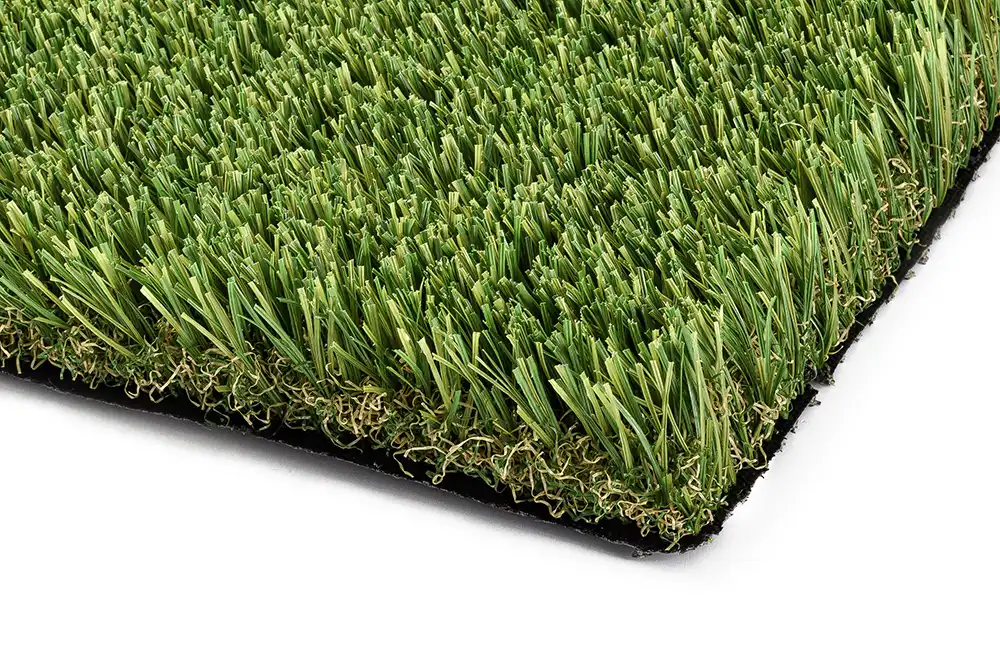
Marathon 80 delivers a bold and structured appearance with its vibrant green tones and distinctive W-shaped monofilament blades, designed to mimic freshly mowed natural grass. Engineered for durability, this turf model features a 1.57" pile height and dense 17-stitch rate, supported by a strong double polypropylene backing and polyurethane finish coating. Its 4-tone color palette and beige thatch add depth and realism, while its robust 82oz total weight and >35N tuft bind ensure long-term performance. With a high drainage rate of 60L/m²/min and a 16-year warranty, Marathon 80 is ideal for residential and commercial landscapes demanding a natural look with heavy foot traffic resilience.
This proposal is limited to the installation of artificial grass within the designated turf area and includes capping existing irrigation sprinklers located within the project footprint. Any irrigation modifications beyond capping existing heads, including relocation of valves, repair of damaged lines, installation of new irrigation systems, drip irrigation, or future irrigation for trees, shrubs, or planter areas, are not included unless specifically stated in writing.
The concept render provided is intended solely as a visualization tool to help illustrate the potential of the space. Decorative planters, trees, shrubs, movie screens, projectors, audio equipment, lighting, electrical work, pavers, decorative rock, decomposed granite, outdoor furniture, hardscape features, fire pits, retaining walls, shade structures, and any improvements shown outside the proposed turf area are not included in this proposal unless separately listed and priced.
Planting of trees, shrubs, or other landscape materials is not included. Recommendations regarding future planter areas, decorative landscaping, or movie-night features are provided as design suggestions only and are not part of the contracted scope of work.
Because the property backs up to a wash and is subject to wildlife activity, the installation includes recommended gopher wire protection; however, Kreative Gardens cannot guarantee prevention of future squirrel, rodent, gopher, insect, or wildlife activity, nor can we guarantee against future tunneling or damage caused by animals entering the property from surrounding areas.
This proposal does not include correction of drainage issues originating outside the project area, subsurface water conditions, soil stabilization beyond normal turf preparation, erosion control outside the project footprint, or repairs to existing walls, foundations, concrete, structures, utilities, or neighboring properties.
Any underground obstacles, buried debris, abandoned irrigation components, construction materials, roots, utility lines, or unforeseen site conditions discovered during construction may require additional labor and materials and may be subject to a written change order.
The existing fire pit and any future fire features are not included in this proposal. Artificial grass should not be exposed to excessive heat, open flames, hot embers, fireworks, charcoal grills, wood-burning devices, or reflective surfaces capable of generating concentrated heat.
This proposal does not include permits, engineering, surveys, utility locating services, HOA approvals, or any work not specifically described in the Scope of Work section.
All work outside the approximately 535-square-foot artificial grass installation area is excluded unless added through a written change order approved by the customer.
The concept render included with this proposal is intended to help visualize the long-term potential of the backyard and is not intended to represent the current scope of work. The render illustrates one possible future layout that incorporates artificial grass, decorative planter areas, and a movie-night gathering space while preserving the existing structure, patio cover, and perimeter walls. At this time, the contracted work is limited to the artificial grass installation only.
Because the property backs up to a wash and currently shows evidence of squirrel activity, including multiple burrows and tunnels throughout the project area, we strongly recommend the installation of 19-gauge, 1/2" x 1/2" galvanized gopher wire beneath the turf system. This additional layer provides a physical barrier that helps reduce the likelihood of future tunneling beneath the artificial grass and protects the investment over time.
For the comfort and enjoyment of Malaika and her grandsons, we are recommending Camofill performance infill instead of traditional silica sand. Camofill is designed to provide a cleaner, more comfortable surface while helping support blade recovery and overall turf performance. This recommendation is especially appropriate for residential spaces where children and family members will spend time sitting, playing, and relaxing directly on the grass.
The narrow planting strip along the perimeter wall measures approximately 31 inches in width. Because of its limited width and proximity to both the wall and future turf installation, we do not recommend planting trees directly into the ground in this area. Over time, tree roots may compete for space, create maintenance challenges, and potentially impact nearby improvements. If additional height, shade, or greenery is desired in the future, large decorative planters are the preferred solution because they provide greater root control, flexibility, and long-term protection for the surrounding landscape.
The adjacent gravel area shown in the render offers excellent potential for a future outdoor entertainment space. During the consultation, Malaika shared her vision of hosting movie nights with her grandsons. The concept render reflects one possible future use of this space by incorporating an outdoor projection screen area while maintaining an open, family-friendly lawn. Although not included in this proposal, the artificial grass installation serves as the foundation for future enhancements should she choose to pursue them later.
Artificial grass requires significantly less maintenance than natural grass but is not maintenance-free. Periodic grooming, removal of leaves and debris, occasional rinsing, and periodic power brushing are recommended to maintain appearance and maximize the life of the turf system.
The existing fire pit location should be carefully evaluated before future use on or near artificial grass. Open flames, hot embers, charcoal, and excessive radiant heat can damage synthetic turf materials. If a permanent fire feature is desired in the future, we recommend creating a dedicated non-combustible area using pavers, concrete, or other approved hardscape materials.
With proper preparation, quality materials, gopher protection, premium infill, and professional installation, this project will transform a largely unused portion of the backyard into a beautiful, functional, and family-friendly outdoor space designed to be enjoyed for many years to come.
Please take a moment to review the details below. These notes cover important aspects of your project, such as warranties, material handling, and general terms. We believe in transparency and want you to feel confident every step of the way.
Mechanic's Lien Warning
Under California law, any contractor, subcontractor, laborer, supplier, or other person who helps improve your property but is not paid may record what is called a mechanic's lien on your property. A mechanic’s lien is a claim made against your property and may affect your ability to sell or refinance. This could happen even if you have paid your contractor in full.To protect yourself, you should request a Lien Release from all contractors and subcontractors after work is completed.
Change Orders
Any additions or modifications to the scope of work must be documented in a written change order, signed by both parties before additional work is performed. Change orders may result in additional charges and could impact the project timeline.
Right to Cancel
You may cancel this agreement within three (3) business days of signing without penalty, as required by California state law. After this period, cancellations may be subject to forfeiture of any paid deposit, restocking fees, and/or costs incurred by the contractor up to the date of cancellation.
Payments
A deposit is due upon approval of the quote. Balance is due upon project completion unless otherwise agreed in writing. Accepted payment methods include cash, check, Zelle, or debit/credit (fees may apply). Failure to remit final payment may result in collections or lien proceedings.
Project Delays or Access Restrictions
The client is responsible for ensuring access to the work area. Unforeseen delays due to weather, access, hidden utilities, or client-caused schedule changes may result in rescheduling and additional costs.
This quote is valid for 15 calendar days. After that, pricing may need to be adjusted to reflect current material or labor costs. We recommend confirming your project promptly to lock in this rate.
Governing Law
This agreement shall be governed by and interpreted in accordance with the laws of the State of California. Any disputes shall be resolved in San Bernardino County, California.